Education and training in social care professions
There are countless reasons why education and training are so incredibly important and will gain even greater significance in the future – regardless of whether your focus is on your personality, your well-being, a new energy in everyday life or your job.
To keep up, you need to educate yourself early on to optimize your own market value.
Our training and further education content at a glance
First Aid Training:
The basic first aid course is the foundation for learning the fundamentals of first aid, recognizing and assessing dangers, and taking the correct actions. The courses are designed to make learning enjoyable. Modern media and the appropriate medical and pedagogical qualifications of our instructors guarantee that you can provide quick and effective assistance in a real emergency and also confidently handle everyday minor disasters.
First Aid – Driving License Course:
The time has come. Your driver's license is within reach. In addition to the knowledge acquired in driving school, first aid training is essential for obtaining your license. Besides life-saving immediate measures such as the recovery position, CPR (with defibrillation), controlling bleeding, and treating shock, the course also covers procedures for acute illnesses like asthma, heart attack, and stroke. Treatment for poisoning and chemical burns is also taught.
First Aid for Child Emergencies
: Accidents are almost inevitable during children's adventures. Help prevent accidents and overcome your own feelings of helplessness. In this course, we will teach you everything you need to know in an emergency. In addition to how to handle child emergencies, we will also cover general first aid measures.
First Aid Training:
Providing your employees with basic first aid training is the first important step. However, to ensure that the procedures are performed correctly in an emergency, under stress and time pressure, the measures must be practiced regularly.
First Aid for Companies:
Accidents happen – in production, in the warehouse, in the office. That's when well-trained workplace first aiders are crucial. The Malteser organization trains workplace first aiders. The more employees trained in first aid, the better – also for the company. If workplace first aiders take the right steps until the emergency doctor arrives, it helps the injured employee and reduces their absence from work.
Culturally Sensitive Care:
As qualified health and social service professionals specializing in culturally sensitive care, graduates of the 10-month course have the opportunity to become self-employed or to be employed in hospitals or outpatient care facilities. In addition to teaching traditional nursing techniques, the course focuses particularly on the cultural aspects of care. This new nursing training program is 100% funded by the Federal Employment Agency.
Nursing Assistant/Care Assistant:
The training to become a nursing assistant/care assistant is a basic qualification and offers an ideal stepping stone into the professional world of nursing and medicine. It is suitable for employees without prior basic training, those returning to work, or people interested in nursing training. The focus is on imparting practical skills. This training is the first step towards qualification as a care assistant and as a specialist in health and social services.
Advanced training course “Delegable treatment care LG I”
This offer is not only aimed at employees of outpatient and inpatient elderly care, but also offers an optimal opportunity for further training for all those who are active in providing care in their private environment.
Activating seniors:
People with dementia or seniors with increased care needs still possess many resources and abilities. These can be maintained or promoted through appropriate activation or activities.
Understanding and Supporting People with Dementia:
Everyone is talking about demographic change and the increasing number of older people developing dementia. People with dementia live in their own world. This seminar will provide you with the foundation you need to understand and connect with the world of a person with dementia. You will learn to recognize the stages of the disease, its symptoms, and ways to manage it, including promoting the existing resources of those affected through activities and engagement opportunities.
Home economics and nutrition
services are becoming increasingly important. The foundation for professional service provision lies in the application of specialized knowledge and techniques, as well as adherence to legal requirements. We'll get you up to speed: In addition to healthy nutrition for children, teenagers, and the elderly, all household tasks such as shopping, cleaning, and hygiene are covered in the training.
Support for family caregivers | Learning to provide care at home
Two-thirds (69%*) of people requiring care are cared for at home. Often, this happens without the support of an outpatient care service; the care is provided solely by family members. Due to being overwhelmed, lack of time, or lack of knowledge, the care provided to the person in need does not meet the comprehensive and professional standards of care they require.
Palliative Care:
This training raises awareness of hospice and palliative care practices. You will gain confidence in dealing with seriously ill and dying people, as well as in supporting and caring for them and their families.
Qualifications for Caregivers:
The Malteser's training and continuing education programs broaden perspectives, provide practical support in daily life, and enhance professional qualifications. The Malteser are a hallmark of continuing education for caregivers. As a full-service provider with over 40 years of experience, they offer specialized qualifications – for nurses as well as nursing assistants and family caregivers. Certifications as a care assistant are available, as is the path to becoming a certified specialist in health and social services (Chamber of Industry and Commerce).
Special course for relatives of people with dementia:
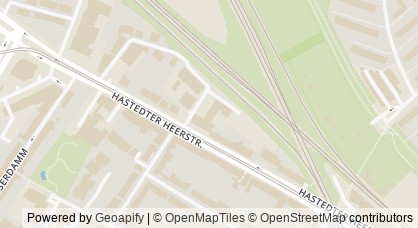
To provide affected relatives and interested volunteers with better access to people with dementia and various support options in the psychosocial field, the Malteser Bremen Education Center, in cooperation with the BARMER long-term care insurance fund, is offering a special course. The course, "When Memory Fades – Special Course for Relatives of People with Dementia," will take place at the Malteser Education Center in Bremen-Hastedt. Participation is free of charge for affected relatives and volunteers.
Contact person
-
Telephone: 0421 427 49 14