Natural food for premature babies
Gesundheit Nord (GeNo) founded Bremen's only human milk bank in 2021. All high-risk pregnant women giving birth at the Bremen-Mitte hospital are informed about the possibilities offered by the human milk bank, including the option of bridging the first few days of the baby's life with donated human milk or donating their own breast milk.
This is how the human milk bank of Gesundheit Nord works
How are premature babies fed?
In recent decades, premature babies were primarily fed with artificial formula; today, the focus is mainly on breast milk. "It cannot be imitated by any artificially produced product," says Dr. Thorsten Körner, head of neonatology, who, together with Dr. Birte Tröger, initiated the human milk bank of Gesundheit Nord.
Breast milk, through various immunologically active substances, not only protects the newborn from infections in the first months, but also has a long-term effect on health.
What are the benefits of breast milk?
"It is now known that children who are breastfed not only develop better neurologically, but are also less susceptible to various diseases such as diabetes and allergies throughout their lives." According to Dr. Birte Tröger, breast milk is ideally suited to the needs of an infant and is therefore the best and most natural form of nutrition in the first months of life.
The increasing number of very premature infants on the brink of viability presents neonatal intensive care with ever-new challenges, particularly regarding nutrition. By establishing a human milk bank for our premature and newborn infants, we can make a significant contribution to providing optimal care for these children and giving them the best possible start in life.
What is a human milk bank?
Not all mothers produce enough breast milk from the start. To ensure premature babies have access to sufficient breast milk from the very beginning, the neonatology team at the Perinatal Center of GesundheitNord has established a human milk bank. This allows milk from donors—mothers of premature babies—to be stored and distributed to premature infants in need at our clinic.
The human milk bank at Gesundheit Nord in Bremen operates on the principle of in-house human milk donation. Selected mothers who were themselves patients of the perinatal center and whose own children are being treated in the neonatal intensive care unit are given the opportunity to donate excess human milk.
Who receives the donated milk?
The recipient children are primarily extremely premature infants in the particularly sensitive period of their first days of life. Donated breast milk serves primarily as a bridge until the mother can produce enough milk.
Parents are asked for their consent before feeding their babies donor breast milk. The breast milk bank is primarily financed through donations.
When is a baby considered premature?
Babies born before the 37th week of pregnancy are considered premature. Older premature babies usually require little additional support. However, especially very small premature babies born before the 32nd week or weighing less than 1,500 grams require intensive care. "The crucial factor here is primarily the maturity of their organs," says Dr. Thorsten Körner, head of the Department of Neonatology.
Venue:
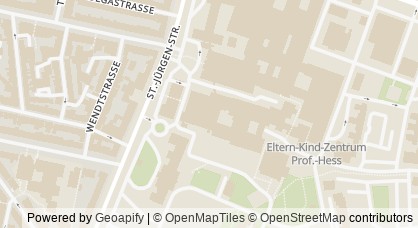
Bremen-Mitte Hospital
Contact person
-
Dr. Thorsten Körner, Dr. Birte TrögerWebsite: https://www.gesundheitnord.de